Europe has rediscovered “sovereignty” through a wave of new regulation — Cyber Resilience Act, AI Act, cloud sovereignty tenders. EOLE 2026 takes the opposite starting point: Free Software, Open Source and open AI have been pursuing digital autonomy for forty years, long before the word “sovereignty” entered the policy lexicon. The 2026 cycle is therefore not a compliance forum on the new regulations. It is a year-long community effort — a kick-off webinar in late June, a shared working space, a flagship event in Q4 — to map the tools, licences, governance practices and communities through which openness already delivers sovereignty, and to reconnect the lawyers, technologists, public actors and academics who quietly sustain that infrastructure.
Sovereignty is not a compliance issue
Over the past two years, “digital sovereignty” has moved from the margins of European policy to the centre of nearly every legislative file: the Cyber Resilience Act, the AI Act, the EUR 180M Commission tender on cloud sovereignty, the rise of digital commons initiatives such as the French EDIC. The natural reflex is to treat sovereignty as the next compliance brief, and to gather lawyers around the new rulebooks.
EOLE 2026 takes the opposite path. Free Software, Open Source and now open AI have been building digital autonomy for forty years — through licences, standards, shared infrastructures, OSPOs, foundations, public-administration adoption, and communities of practice. Sovereignty, in any meaningful sense, has always been their working object. The most urgent task is not to map yet another regulation onto open ecosystems, but to re-anchor the conversation in the tools and practices that already deliver autonomy, and to make them legible to the wider legal and institutional community.
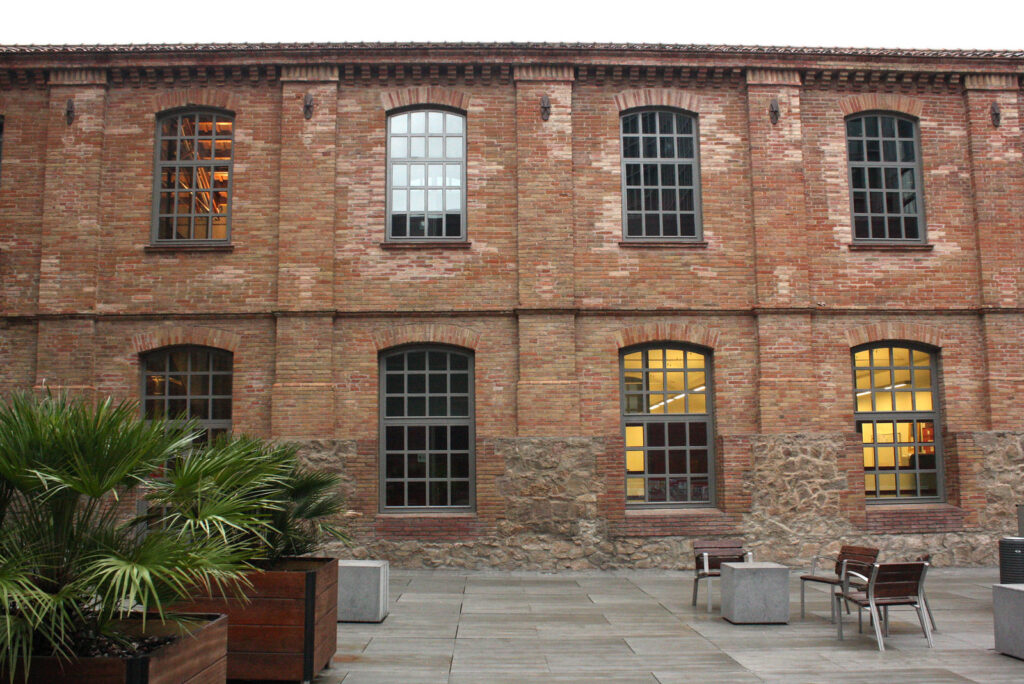
The 2026 cycle is built around that inversion. A public kick-off webinar in late June framed the different meanings of sovereignty — autonomy, resilience, institutional control, epistemic pluralism — and showed how each is already operationalised in open ecosystems. Between sessions, a lightweight community space (the EOLE forum) lets contributors from FSFE, Eclipse, Software Heritage, the OSPO Alliance, academia and public administrations co-build a cartography of existing tools, licences, governance practices and communities through which openness produces sovereignty. The cycle closes with the main event on 27 November 2026 in Barcelona, hosted at Universitat Pompeu Fabra.
In keeping with EOLE’s tradition, the goal is not to host another expert forum but to bring together — and make visible to one another — the people who collectively sustain this movement, and to reorient the European debate around what they already build.
If you want to keep up to date with all the news from the EOLE event, we invite you to subscribe to our newsletter.
Or, you can still take part in our forum by sharing your experiences or useful resources on this year’s theme!
The cycle in three steps
- Online kick-off workshop, 25 June 2026: six themes came out of it, with a recording and synthesis on the forum
- Exchange on the forum from June to November: one thread per theme, open to everyone
- Main event in Barcelona, Friday 27 November 2026: a working day on four to six of the themes, see the programme
Main event: Friday 27 November 2026, Barcelona
Universitat Pompeu Fabra, Poblenou campus (Sala Nau), 10am to 5pm, welcome coffee from 9:30. A working day in small groups, on the themes prepared on the forum since June.